Cataract Surgery, Dr. Brian Foster, Dr. Robert Friedman, Dr. Scott Han, hearing
Bradenton patient talking about Dr. Scott Han “Dr. Scott Han is a wonderful human being and excellent at what he does. He really knows his business. The people here are so nice and very professional. The whole office runs like a well-oiled machine! It’s a pleasure coming here.” Patient: C. G. at the West Bradenton office […]
Read
More
Age Related Eye Disease Study. Macular Degeneration, AMD, AREDS, ARMD, The Eye Associates, vitamins
Age-Related Eye Disease Study (AREDS) In 2001, Age-Related Eye Disease Study (AREDS) researchers reported that a vitamin supplement called the AREDS formulation could reduce the risk of developing advanced age-related macular degeneration (AMD). In 2006, the same research group, based at National Institute of Health’s National Eye Institute, began a second study called AREDS2. They wanted […]
Read
More
Uncategorized
Poor vision can have many adverse effects, such as depression, car accidents, and medication errors, but none of these are more concerning than falls. Falls are among the leading cause of death in age 65+. People with low vision are twice as likely to fall than those with good vision. The Impact of Falls Some […]
Read
More
African Americans, Blog Category, Dermatologist, Dermatology, Melanoma, Skin Cancer, Sun Damage, Sunglasses, sunscreen
Dark skin people can have skin cancer too. According to SkinCancer.org, here are some statistics that you should keep in mind, no matter what your skin color. -Melanomas in African Americans, Asians, Filipinos, Indonesians and Hawaiians most often occur on non-exposed skin with less pigment. These melanomas are often discovered on the palms, soles, mucous […]
Read
More
Dermatology, Skin Cancer, Sun Damage
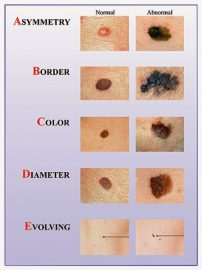
The quickest way to explain melanoma is to simply say that it is a mole that has gone bad. It is the most dangerous type of skin cancer. According to SkinCancer.org, everyone is at some risk for melanoma. Those with a family or personal history, lighter skin color, a weakened immune system, and excessive moles […]
Read
More
CCH, conjunctivochalasis, Dry Eye Disease
If your eyes sting, itch and are watery, then you might have Dry Eye Disease. Dry Eye Disease was hard to diagnose in the past. Therefore, there was not an easy, accurate way to measure the osmolarity of tears (or in other words… the quality of your tears and just how dry your eyes are). Also […]
Read
More
Blog Category, Dry Eye Disease, Dry Eye Syndrome, Uncategorized
Right behind the Omega 3 fish oils as part of your dry eye treatment is extra-virgin olive oil. That is why it should be on the top of every dry eye patient’s cooking list. It is a member of the “short list” of foods that offer our body assistance in reducing inflammation in our joints, but it […]
Read
More
Uncategorized
FALSE – According to the Skin Cancer Foundation, your sunscreen of choice should have a SPF of 15+ and have some combination of the following UVA-blocking ingredients: avobenzone, ecamsule, oxybenzone, titanium dioxide, and zinc oxide. And of course, don’t forget to reapply every 2 hours! That is the key to sun protection.
Read
More
Cataract Surgery
December 2016 Laser Cataract Study A December 2016 study published in the Journal of Cataract & Refractive Surgery compared 2,814 laser cataract surgery patients to 4,987 traditional cataract surgery patients. The study, authored by Sonia Manning, MD, FRSCI(Ophth) and others, measured visual acuity (by asking patients to look at a chart), refractive power (by using […]
Read
More
Uncategorized
Yes, on top of everything else, those hormone changes that happen with pregnancy also affect you tear production. During pregnancy, eyes tend to be dryer, resulting in more irritation, redness and increased difficulty with contact lens wear. These dry eye symptoms may show up as soon as the second trimester and last several months past […]
Read
More