
dry eyes, eye drops, Eye Health, Eye Safety, Eyes
As December arrives with its crisp air, festive spirit, and cooler weather, many people unknowingly encounter an uncomfortable side effect of the season: dry eye syndrome. The combination of cold winds, heated indoor spaces, and reduced humidity can leave the eyes feeling irritated, scratchy, or fatigued. While dry eye may appear to be a seasonal nuisance, it is actually a chronic condition that can affect vision, comfort, and long-term eye health if not properly managed.
By understanding the causes, recognizing the symptoms, and taking preventive measures, you can safeguard your eye health during the winter season and beyond.
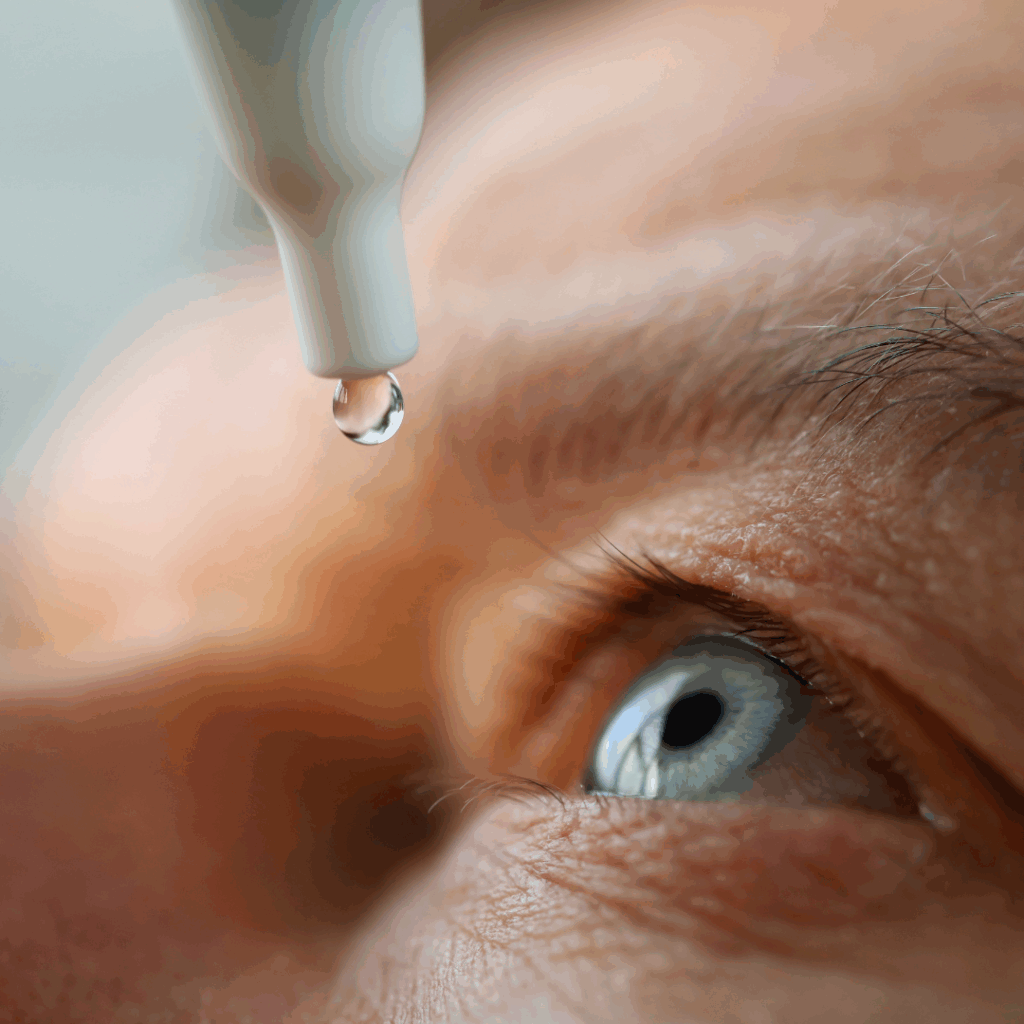
What Causes Dry Eye?
Dry eye occurs when the eyes either don’t produce enough tears or when the tears produced are of poor quality and evaporate too quickly. Healthy tears are essential—they lubricate, protect, and nourish the eye surface. When this balance is disrupted, the result is irritation, discomfort, and in some cases, damage to the cornea.
Common Causes in Cooler Months Include:
- Seasonal Changes – Cold winds, outdoors, and heated, dry air, indoors, reduce moisture in the eyes.
- Increased Screen Time – During winter months, more time indoors often means more time on digital devices. Reduced blinking while using screens accelerates tear evaporation.
- Age and Health Conditions – Hormonal changes, diabetes, thyroid disorders, and autoimmune conditions such as rheumatoid arthritis and lupus increase the risk of dry eye.
- Medications – Antihistamines, antidepressants, decongestants, and blood pressure medicines can all interfere with tear production.
- Contact Lens Use – Prolonged wear during the dry winter months can aggravate dryness and discomfort.
Symptoms of Dry Eye
Dry eye syndrome does not look the same for everyone, but typical signs include:
- A burning, stinging, or scratchy sensation in the eyes
- Redness or irritation, especially in cold or windy conditions
- Blurred or fluctuating vision that worsens throughout the day
- Sensitivity to light (photophobia)
- Excessive tearing, which may sound contradictory, but often occurs as a reflex response to dryness
- Feeling like there is a foreign object or grit in the eye
These symptoms may seem mild, but, can significantly interfere with daily tasks like reading, driving, or working on a computer.
Practical Tips for Relief
Managing dry eye symptoms during the cooler weather is easier with these simple habits:
- Use a humidifier to add moisture to dry indoor air.
- Stay hydrated by drinking water regularly.
- Apply artificial tears for quick, soothing relief.
- Wear protective eyewear outdoors to block cold winds.
- Take screen breaks using the 20-20-20 rule.
- Eat omega-3 rich foods (salmon, walnuts, flaxseeds) for healthier tears.
- Apply warm compresses to ease irritation and improve tear stability.
When to Seek Professional Help
Occasional dryness may be relieved with home remedies, but chronic dry eye should not be ignored. If your symptoms persist despite self-care, consult an eye doctor. Professional treatments may include:
- Prescription eye drops to reduce inflammation and improve tear quality
- Punctal plugs to help conserve tears on the eye surface
- Advanced procedures, such as thermal pulsation therapy to unclog meibomian glands
- Lifestyle and medication adjustments tailored to your individual needs
The Bigger Picture
Dry eye syndrome is not just a seasonal inconvenience—it’s a health condition that deserves attention. Untreated dry eye can lead to:
- Increased risk of eye infections
- Corneal Damage
- Reduced vision quality
- Interference with daily productivity and overall quality of life
By addressing symptoms early and committing to preventive care, you can protect both your comfort and long-term vision.
Final Thoughts
This December, as the weather turns colder and the air drier, don’t let dry eye syndrome compromise your daily life. With proactive care and regular eye checkups, you can keep your eyes healthy, comfortable, and clear throughout the season.
Your vision is invaluable—treat it with care, especially during the cooler months.


